
Joys of Subculture Surfing
There's a real sense of discovery in finding them. Their hidden complexity is a reminder of life's vastness. Most of all, the wholesome joy the hobbyists experience is so palpable that one doesn't need to try to experience it vicariously.
I have a mental photograph of the first time I opened a model rail magazine. I expected something juvenile and was utterly floored to discover the passion and competence that the hobby demands. It’s a mix of engineering, history, and fine art. So I was reading—about O and HO scales, true-to-life layouts—when it struck me that something strange was happening. I was understanding so little of it but still greatly enjoying the article. I was basking in the author’s passion.
Readly, a fantastic app that I greatly recommend, also has hobbyist magazines for model boats, RC flying, quilting, and others. I ruffled, or rather swiped, through these pages and again understood little but still enjoyed myself.
Articles by these hobbyists tend to be accessible. They are completely lacking in pretension. Although an outsider is unlikely to grasp much without tens of hours of study, the specificity itself is breathtaking. I suppose some of it is also a silent apology and a humbling that one misjudged, even secretly ridiculed, these activities and got it so wrong. Thus began my hobby of subculture surfing.
There are some, like model rail, that I return to. My favorite articles are personal retrospectives, preferably with pictures, where an operator documents a project they worked on. For most, however, I am a one-time or extremely occasional visitor. Examples here include ham radio, origami, locksport, DIY fragrances, soapmaking, tabletop miniature painting, and gramophone restoration, just to name a few.
Why do I like these activities at all? I have no intention of trying any of them, but still I’m extremely fond of reading meticulous and personal accounts by the people to whom they mean so much. There’s an uncharitable way to view it, that I’m some kind of psychological voyeur and this all points to a deep-seated pathology. I’m sure some crank would agree, but I think the driving force here is something very human and sincere.
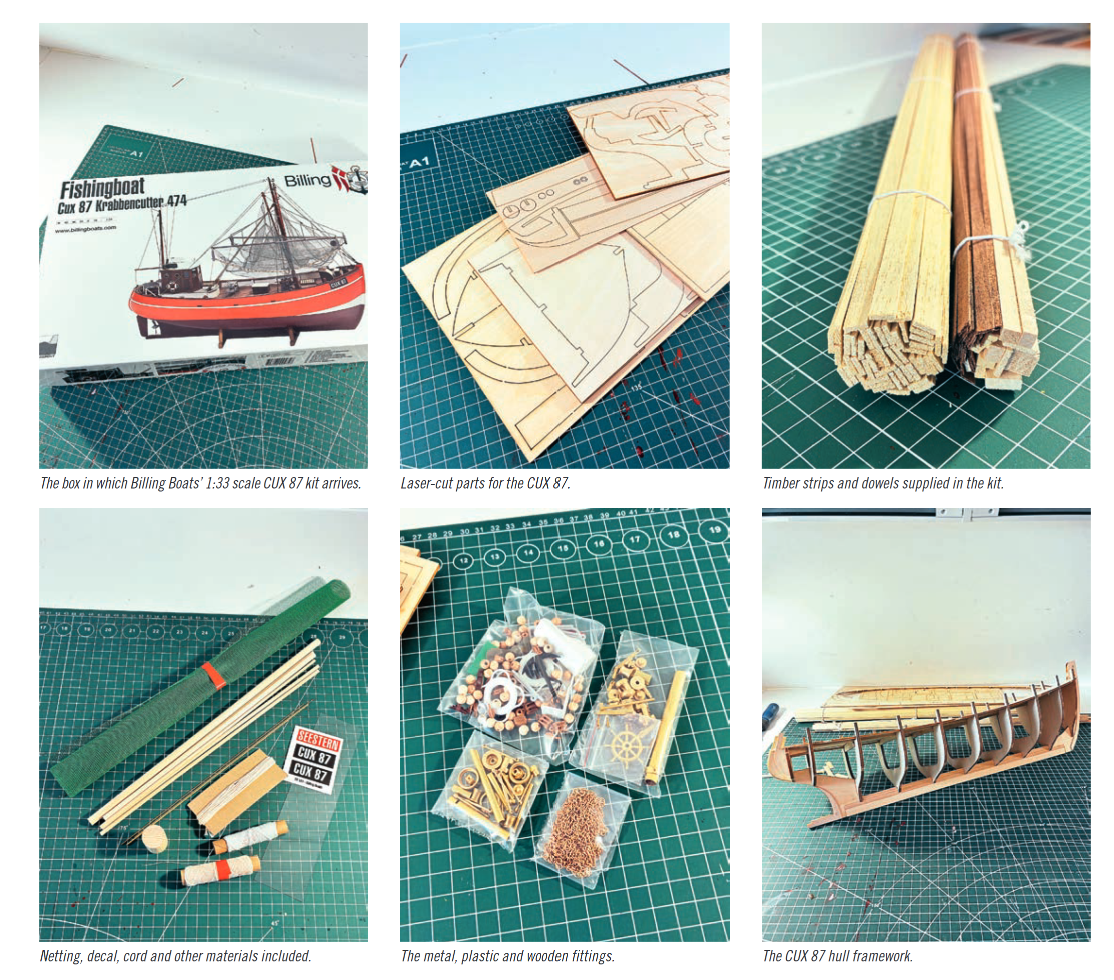
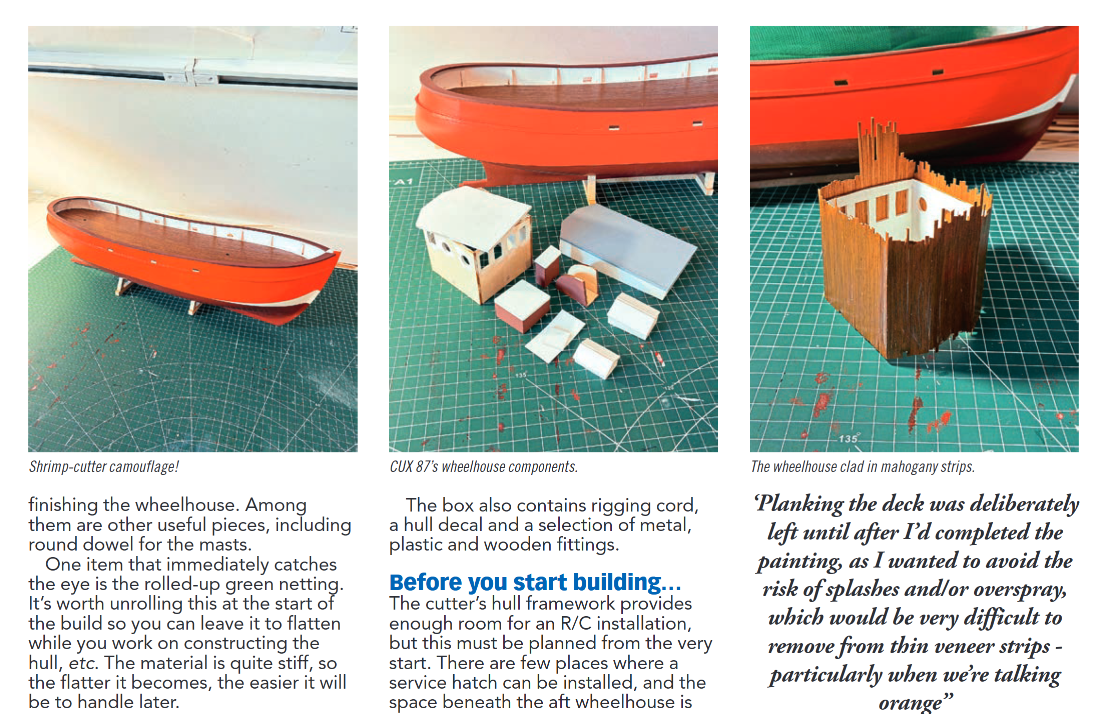
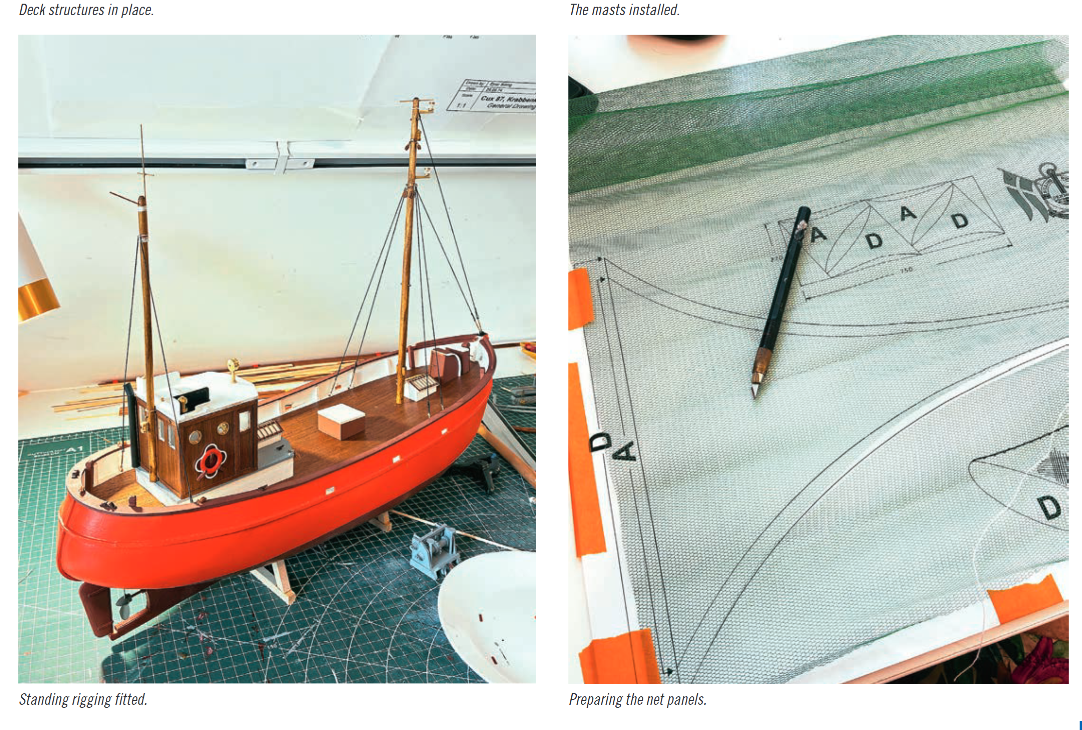
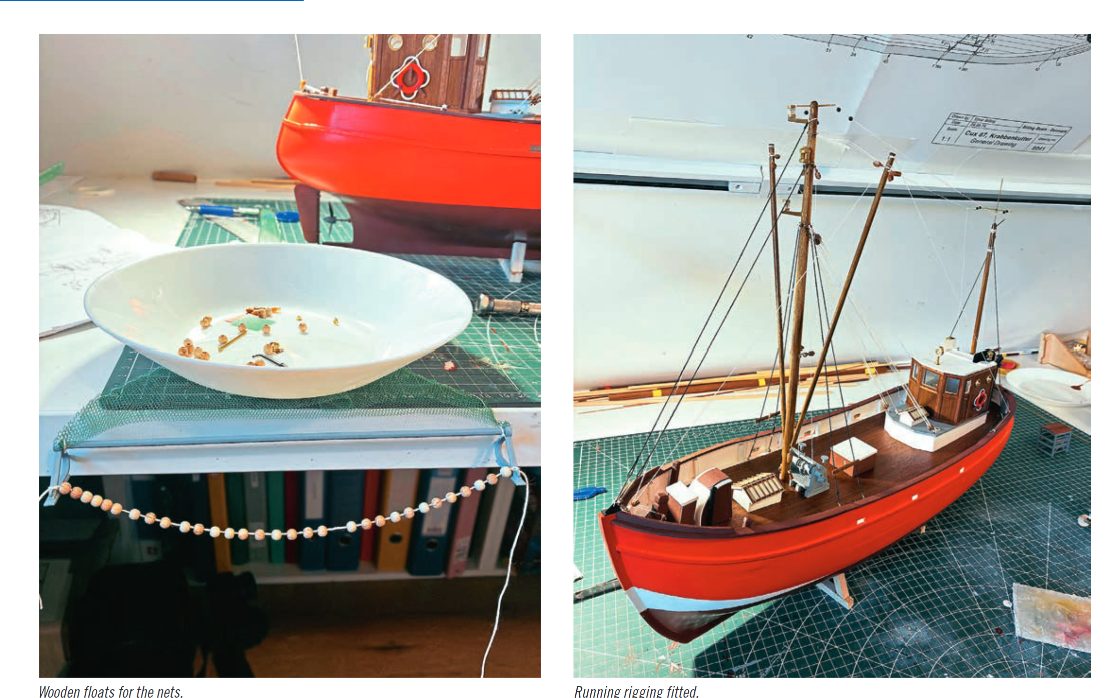
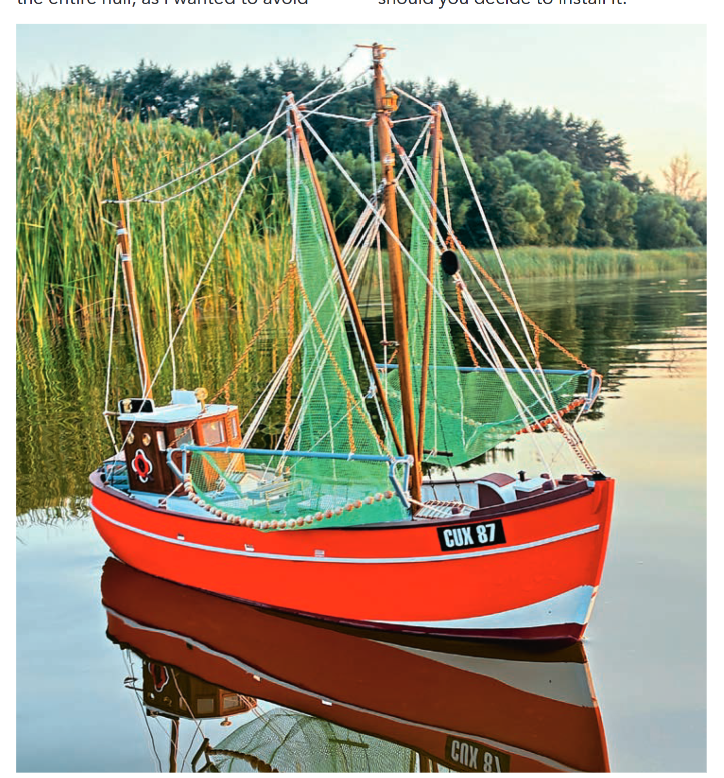
The first thing that attracts me is the hobbyists’ passion. You can feel it in the way they write. You can also see it in the communities, including the scrappy but well-done publications that serve as my entry point. Passion is hard to define, and breaking it down can be instructive. Commitment is one element of it, though that word itself bears pulling apart. Look at this build, for example, where someone had precision-cut the parts, run hundreds of calculations, fit electrics, decorate—all to get what, to the average person on the street, is a toy boat.
 tawanda.space/blog
 tawanda.space/blog
 tawanda.space/blog
 tawanda.space/blog
 tawanda.space/blog
That detail of making and using your own stuff is also something I find wholesome. For a model plane, for example, building it yourself and watching it fly is an experience with dimensions that flying a store-bought RC plane or drone can’t match. (To be fair, these niches tend to have pre-assembled products, but their charm and self-seriousness more than make up for that.)
The second element of the magnetic pull is the authentic fly-on-the-wall effect. I open these magazines and immediately experience what makes these people tick. That’s because they’re writing for each other, not some outsider like me who might just happen to be peeping. Even so, as I said a little earlier, I get the general idea of why they’re doing something and why it’s important. The technical ins and outs remain beyond my grasp, and I think it’s important to clarify that.
Another thing I love is that these hobbies haven’t been infested by runaway capitalistic interests. Suppliers of the materials tend to be fans and not ruthless businesspeople. The hobby—and all its cottage industries—isn’t propped up by profit-driven corporations but rather the community itself. In fact, these sorts of communities tend to repel exploitative companies. They recognize and buy from fellow devotees, so suppliers tend to be home-grown, as it were. That’s really delightful.
One sign of this is how the digital versions of some magazines are free. I accessed them through Readly, which I’m sure has a revenue-share agreement with the publishers, but the publishers let anyone download PDFs from their websites. It’s the kind of thing that’s only sustainable because the community’s so engaged they’ll get the physical copies anyway.
While magazines are the unimpeachable number one means of exploring these fascinating hobbies and the subcultures they spawn, forums aren’t all that bad. Reddit is of course the top destination, and I’ve been mightily impressed by the posts on r/soapmaking, r/jewelrymaking, r/typewriters, and r/origami, off the top of my head.
What ties these niche interests together, I think, is intense passion. They’re clearly not the result of manufactured desire achieved through multi-million-dollar ad campaigns. No one’s doing them to be cool. (They’re decidedly not that). There’s a real sense of discovery in finding them. Their hidden complexity is a reminder of life’s vastness. Most of all, the wholesome joy the hobbyists experience is so palpable that one doesn’t need to try to experience it vicariously.
The instructive contrast is that one does have to make an effort to avoid the opposite of what these harmless pastimes represent.
This cocktail of innocence, adventure, sincerity, and serious competence is a heady mix.