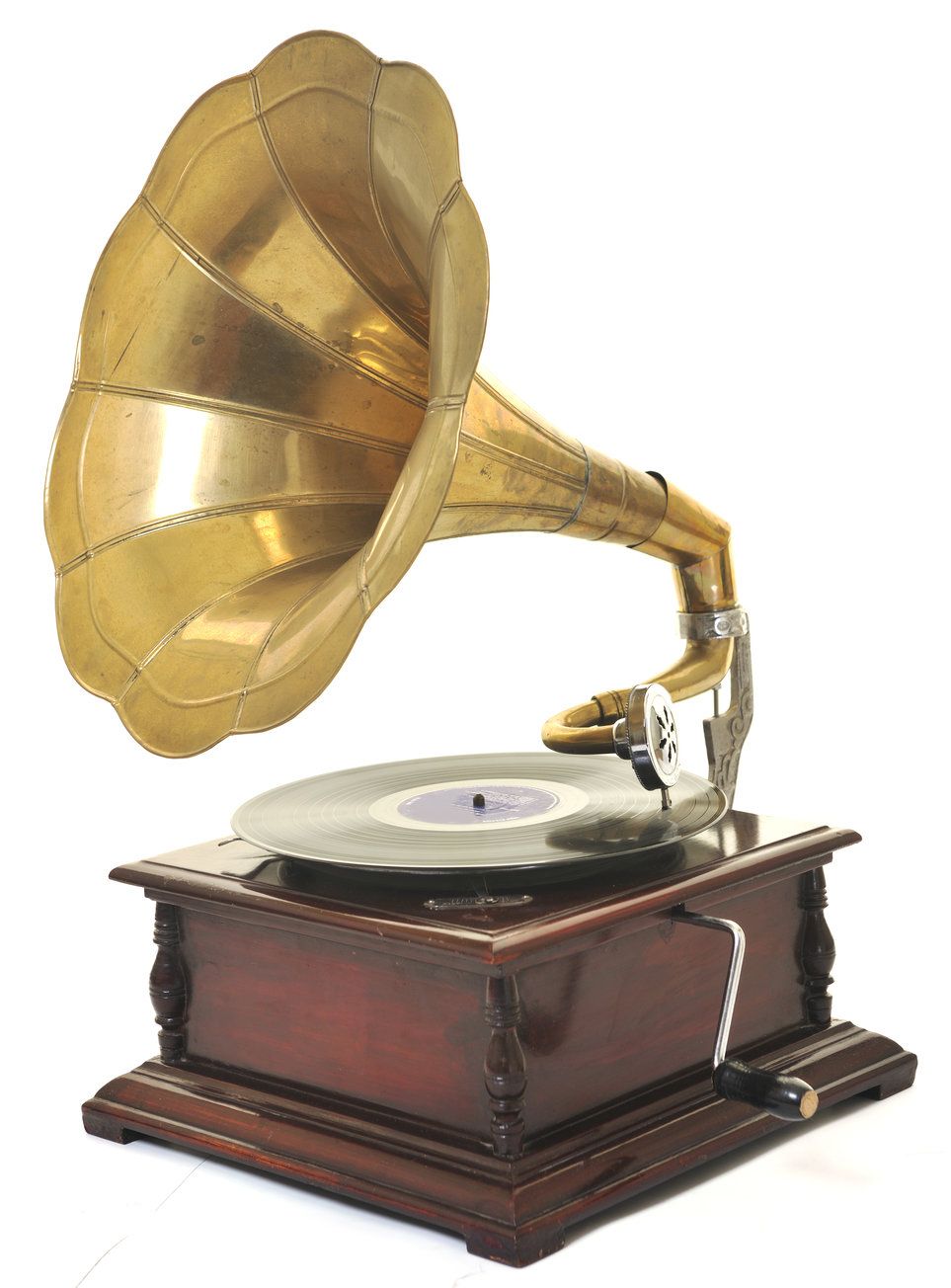
Gladly Non-Contemporary.
To be sure, I’m certainly not saying “older is better.” Here I refer to Sturgeon’s law: 90% of everything is crap. Which brings me to my final point: Time is a powerful curative force.
I’m not entirely outside the present year. I greatly enjoyed House of the Dragon for example, and I found that hit movie, Backrooms, quite okay. That’s about all that’s hip about today’s media that I can think of. Oh, and a vertical microdrama or two—a very of-the-times medium. The rest of my consumption has gravitated toward the last century. I don’t think this is an affectation. I’d talk about it openly if asked, but I don’t think it’ll raise my social stock among most company.
It’s also not some kind of media asceticism I’m enforcing religiously. If something aggressively modern comes out today and I like it, I’ll enjoy it without any sense of self-betrayal. So, why?
To start with, I have a strange kind of anhedonia that mostly applies to recent entertainment. This is especially true for music. I have no clue what’s on the Billboard 100 and don’t want to particularly seek it out. If I hear and like a new tune, great. (Probably not, though, as I don’t like music with lyrics).
Another thing, I think, is I just find the race to stay on top of new releases so exhausting. That in-the-know identity creeps up on you, and it’s high-maintenance. Then you feel like you always have to know what just came out or you’re missing out. No, thanks! My self-imposed state of perpetually missing out means I’m not, in fact, missing out. Checkmate!
More, older media isn’t algorithmically pushed on you. I don’t think there should be any shame in admitting to being vulnerable to algorithms. Some months ago, I removed TikTok from my phone for good because I acknowledged that I was powerless to the infinite scroll. What I hated most about an hour on TikTok is it felt like I’d been held captive and robbed. I couldn’t remember even five of the dozens of clips I’d seen, and it always felt like I’d spent more time than I wanted to. Anyway, that’s the extreme end. Content-serving algorithms come in lesser forms, like Netflix and Prime, and I don’t like those either.
But, true, if I search, say, “best Barbara Stanwyck movies,” the Google result I’ll click on was surfaced via algorithms. Same goes if the programs on Letterboxd connect enough dots to decide I’ll like that Western or that arthouse film or that other 80s sci-fi B movie. Fine. Fair enough. But the critical difference is the recommendation engine isn’t selling me the same thing it’s recommending to me.
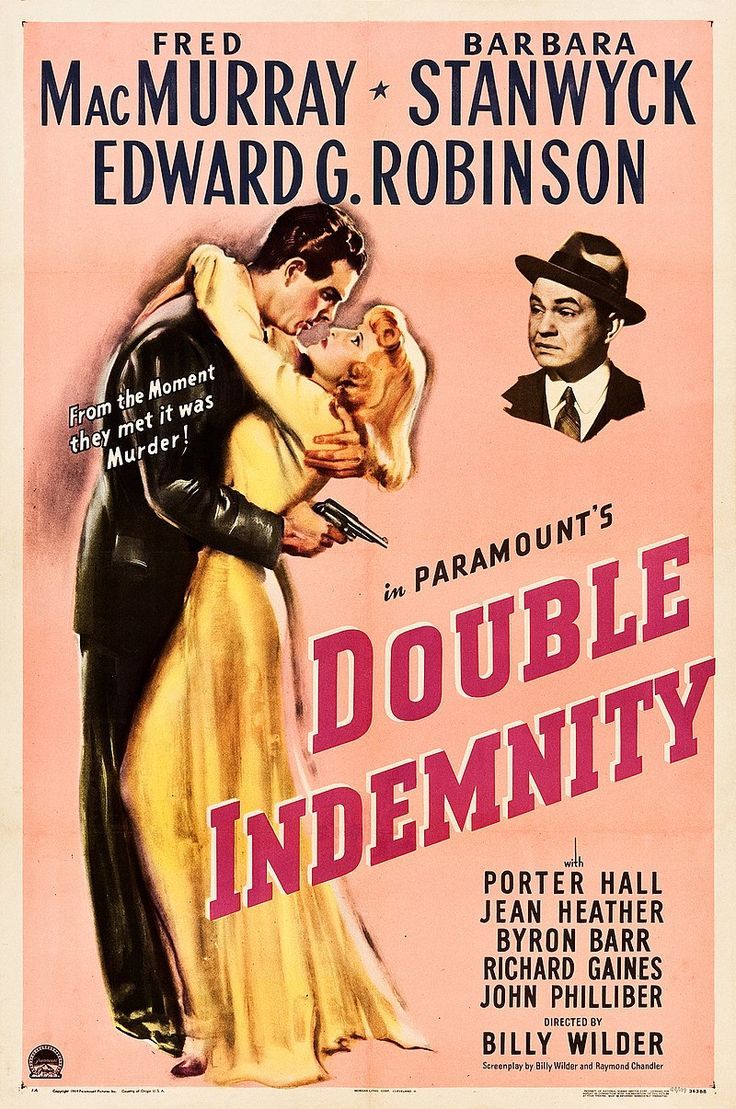 tawanda.space/blog
Perfect movie. I stake my reputation as an amtaeur critic on that.
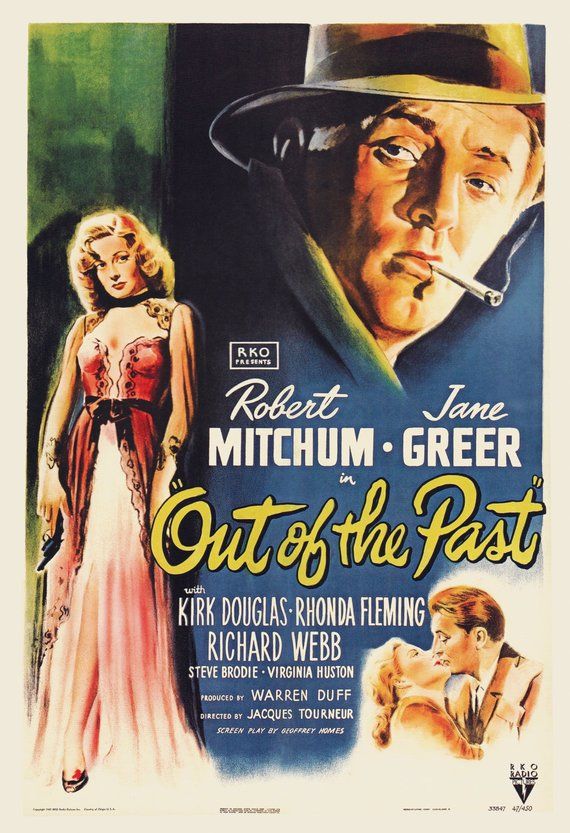 tawanda.space/blog
Also very good.
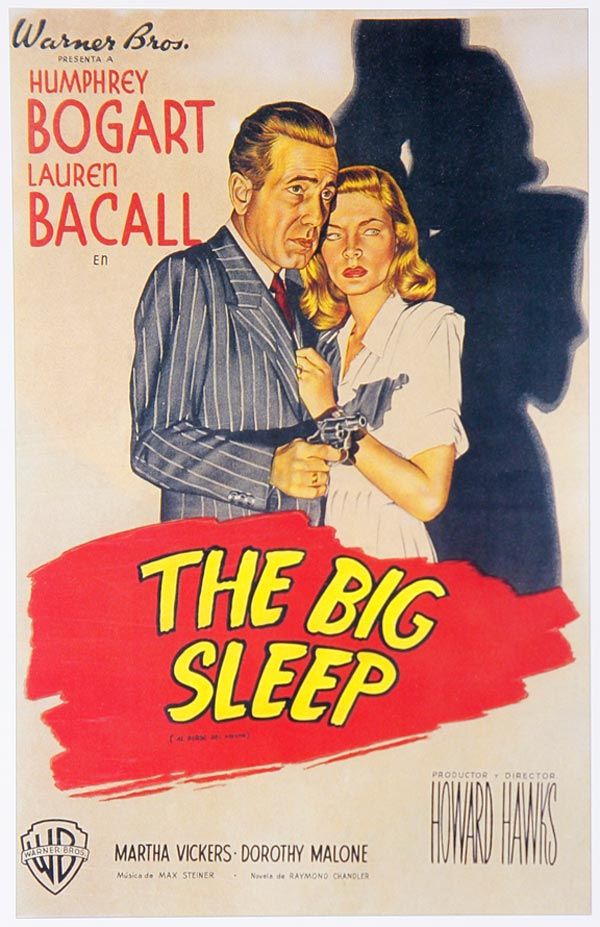 tawanda.space/blog
Highly acclaimed but I confess to failing to follow the plot.
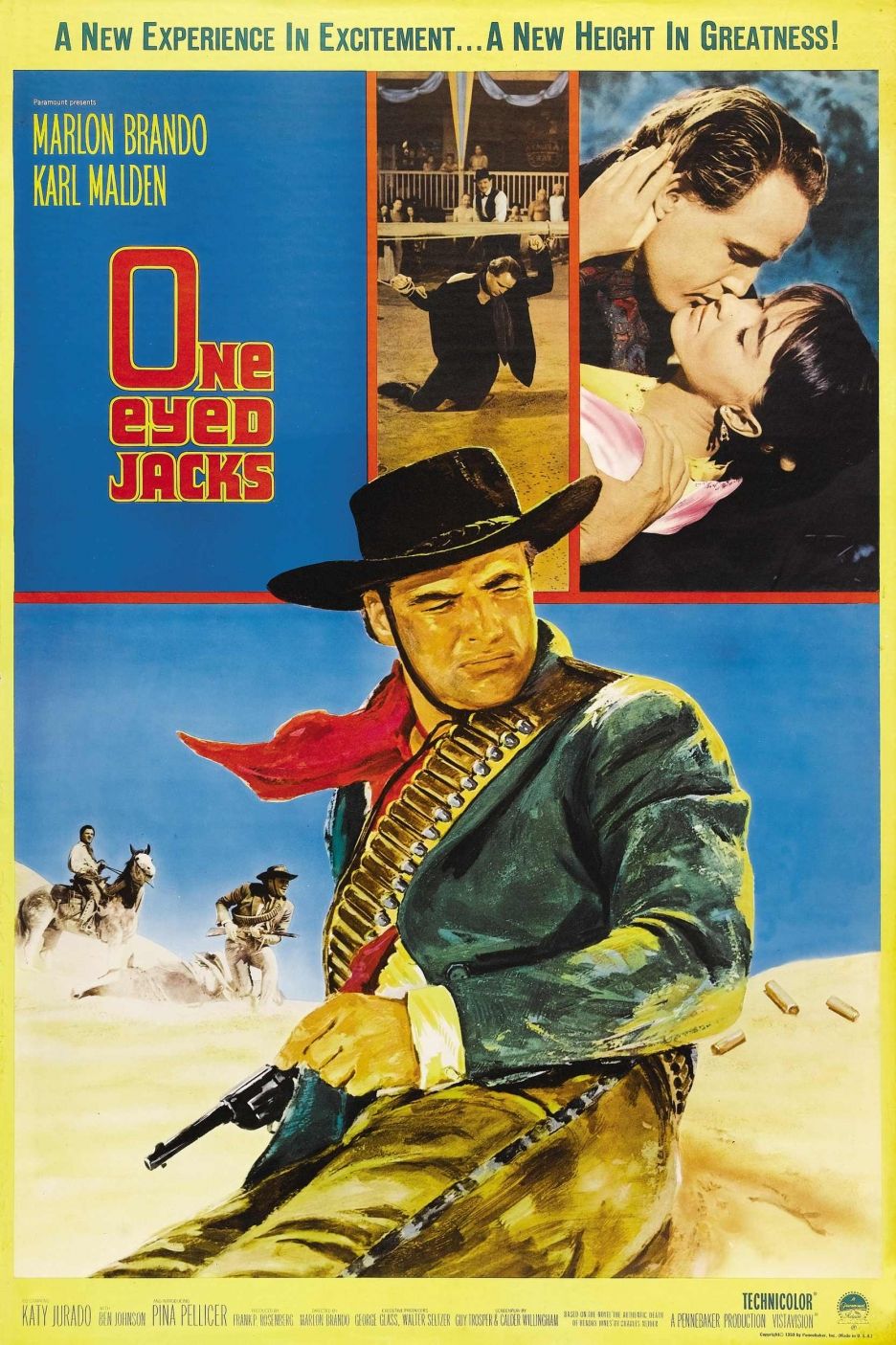 tawanda.space/blog
I'm not one for Westerns, but this one is something special.
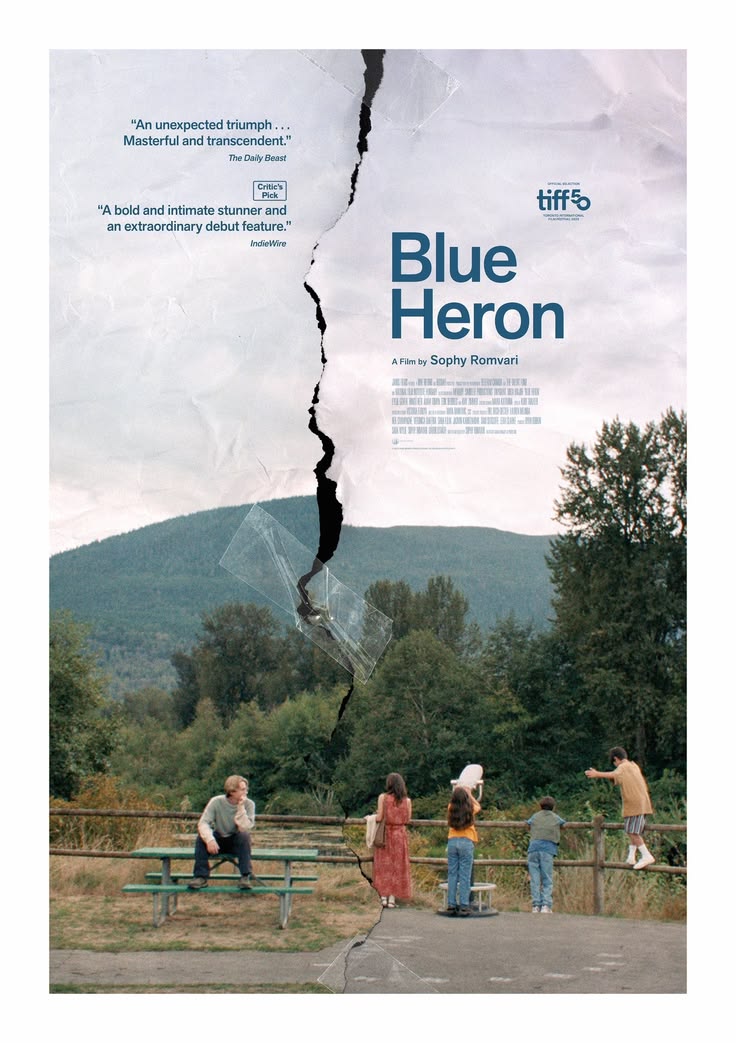 tawanda.space/blog
Well-done 2026 arthouse film.
Fourth—(I’m counting intermittently so it doesn’t feel like a listicle)—the hunt for your own content is superbly satisfying. This is similar to something I mentioned in my thoughts on hobbies like model plane flying, especially. Serious hobbyists build their own planes from scratch, which requires serious craftsmanship, math abilities, and electrical know-how. The flying itself and not crashing months of effort into a tree is, I’m guessing, another skill.
The idea is that for many activities, fulfilment comes from more than the conspicuously consumptive part. There’s real pleasure in knowing I’ve dug something up and it required pointed questions to find it. That is an added layer of enjoyment I’ve never gotten from a just-released movie that was screaming at me to watch it.
On a more personal note, today’s content is simply too raunchy for me. I’ve come to appreciate the mental benefits of having minimal exposure to explicit or uber-suggestive content. Again, that applies to me and maybe not others, but the absence of gratuitous physical intimacy is now close to a non-negotiable for me.
My taste in fiction continues the pattern. My favorite novels so far this year are The Poet (Michael Connelly, 1996), Tell Me Your Dreams ( Sidney Sheldon, 1998), The Moon Is a Harsh Mistress (Robert Heinlein, 1966), and Player Piano (Kurt Vonnegut, 1952). There’s an exception, of course. I’ve read Stephen Leather’s Direct Action, published four months ago.
Game-wise, I don’t think I’ll be moving beyond the GameCube, Super Nintendo, and Game Boy Advance any time soon. My Switch Lite and Xbox are now, maybe perversely, relics.
To be sure, I’m certainly not saying “older is better.” Here I refer to Sturgeon’s law: 90% of everything is crap. Which brings me to my final point: Time is a powerful curative force. It’s not perfect. I’m sure a few accomplished artefacts are now forgotten. But for the most part, I find it to be reliable. (This is why contemporary authors I do follow, such as Stephen Leather, are somewhat flattered; I’m willing to read their 90%).
Some forms of media survive because their contemporaries immediately acknowledged them as timeless, and that classification has been repeatedly interrogated and found worthy. Others survive precisely as a counter-reaction to how underappreciated they were during their time.
On the one axis I may say older media offers a unique flavor of stimulation, you experience clear, visceral proof of timelessness.
In 2026, there’s enough tested and proven media across the decades that I can constrain my diet to 10% stuff. In that sense, at least, I’m glad to be a person of my time.